BathroomsAshburn, VA
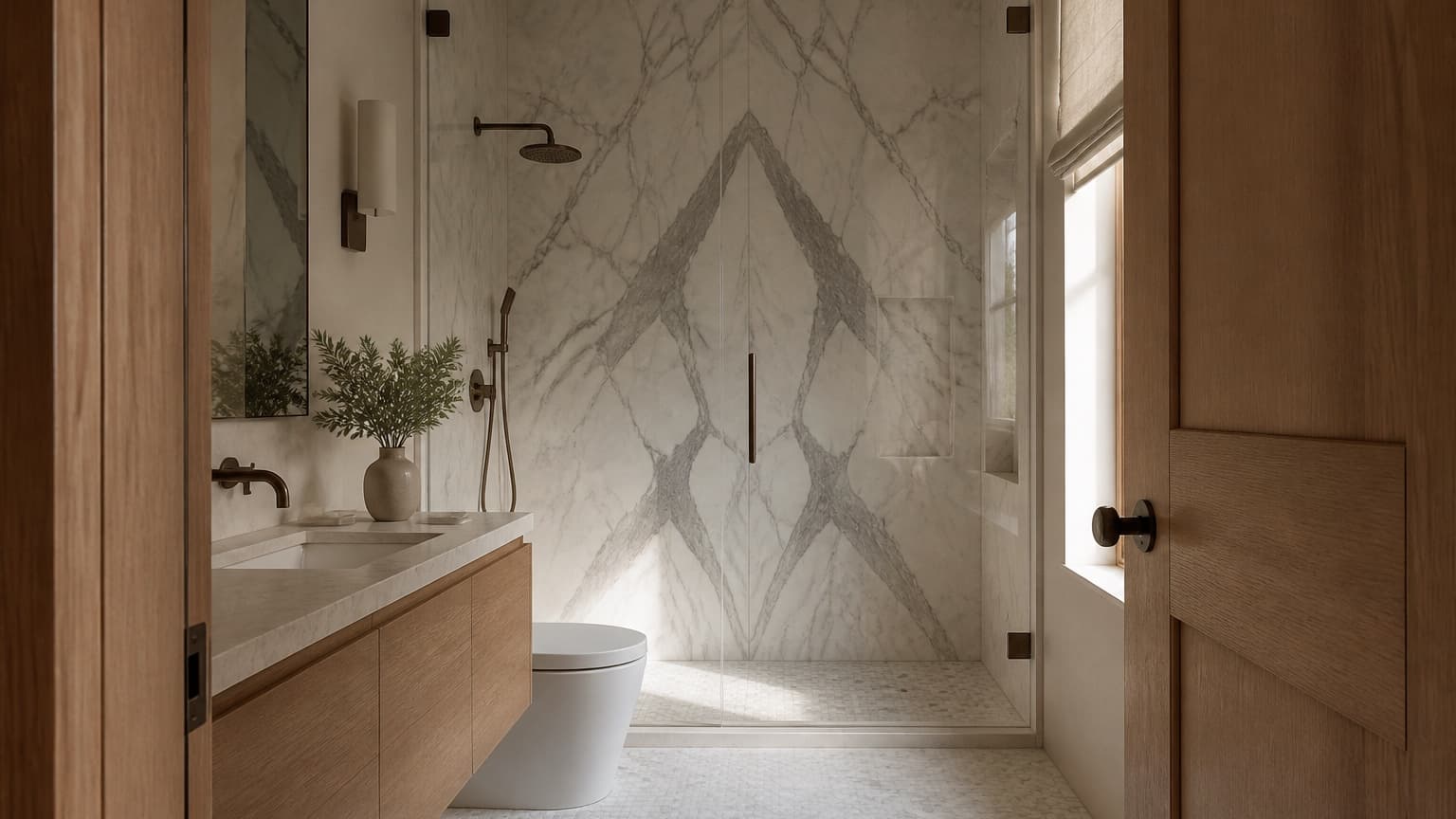
Book-matched marble guest bath
Guest bathroom renovation with a book-matched marble shower wall and mosaic floor
Completed June 2025
Most damage to finished surfaces is done by cleaning products, not by use. A short guide to keeping surfaces in the condition they were installed in.
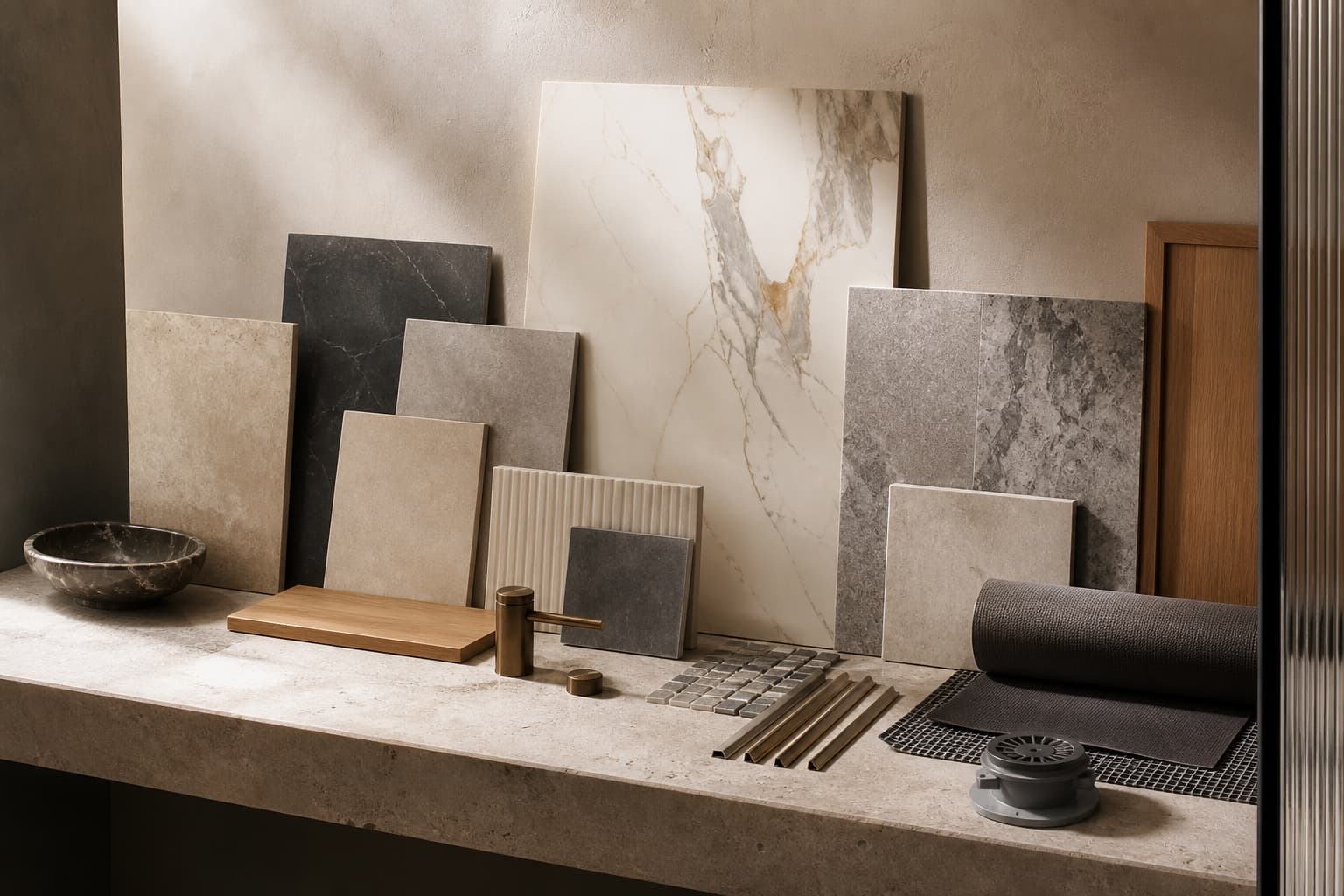
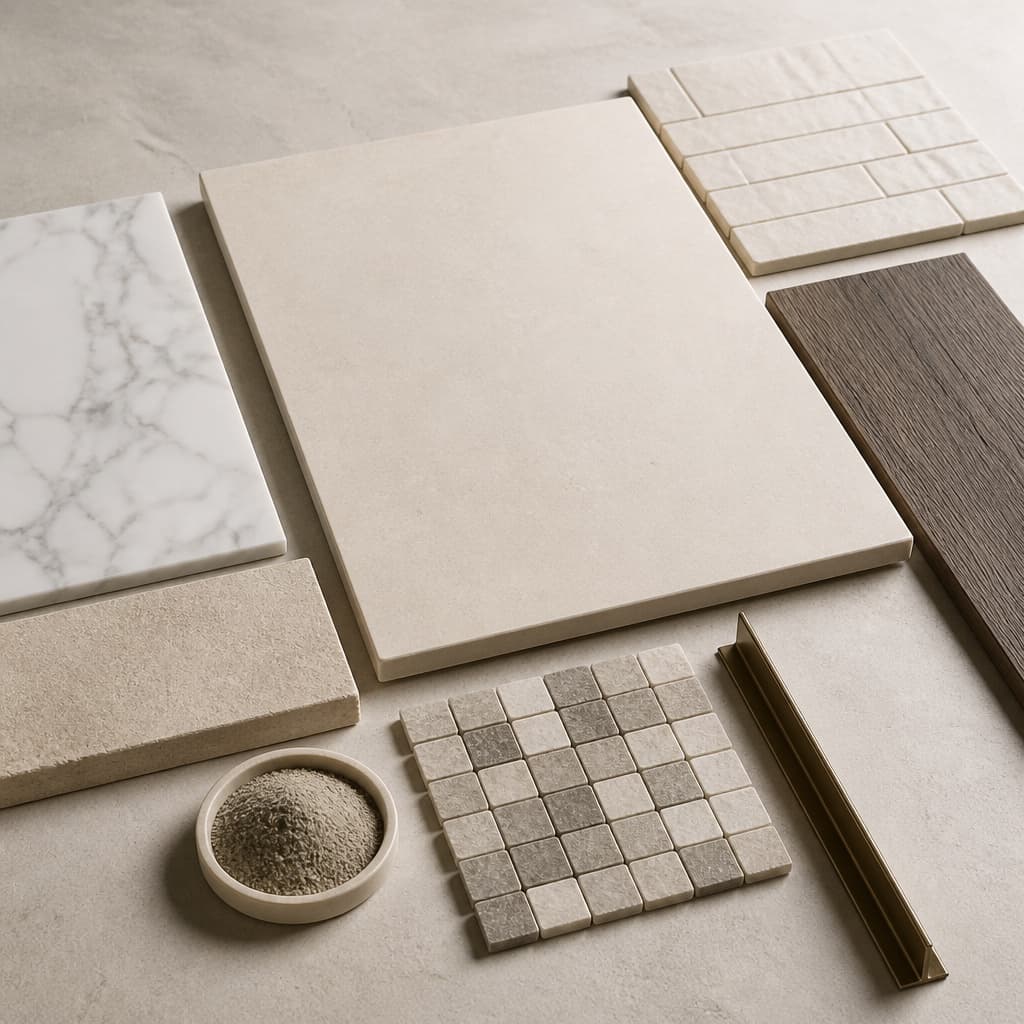
Concept image — replace with editorial photography
We hand over a care sheet at the end of every project, because the difference between a stone floor that looks good in ten years and one that does not is almost entirely down to what gets poured on it.
Use pH-neutral cleaners on natural stone. Acidic cleaners — including many bathroom limescale products, vinegar, and lemon-based cleaners — etch marble, limestone, and travertine on contact. The etch is physical damage to the surface, not a stain, and it does not wash off.
Porcelain tolerates almost anything. Warm water and a neutral detergent handles routine cleaning; a stronger product occasionally is fine. Avoid waxes and 'shine restorers', which build a film that traps dirt.
Modern high-performance grouts resist staining well and do not need sealing. Older cementitious grout does. Either way, avoid stiff wire brushes and strongly alkaline products, both of which erode the surface and make future staining worse.
The most useful habit is a squeegee. Thirty seconds after each shower removes the water that would otherwise leave mineral deposits, and it does more for the appearance of a shower than any cleaning product.
Run the extractor for fifteen to twenty minutes after use. Persistent surface mould is nearly always a ventilation problem rather than a cleaning one.
Written by Altesora
Related questions
Keep reading
Modern porcelain imitates stone convincingly enough that the decision is rarely about appearance. It is about maintenance, tolerance for change, and where the material is going.
Most tile regret comes from four decisions: format, finish, grout colour, and how many different materials ended up in one small room.
For your project
If this article raised questions about your own bathroom, floor, or material choice, send us the specifics. Honest answers cost nothing.
Have photographs or a drawing? Upload them with your request — it usually saves a visit.